
In an age defined by speed, distraction, and relentless ambition, the question of how to live a meaningful life feels more urgent than ever. We chase success, validation, and certainty, yet often find ourselves restless and unsatisfied. Philosophy, in its timeless role, offers not answers carved in stone but pathways—ways of seeing, questioning, and being. Among these, one of the most enduring ideas comes from the teachings of the Buddha: the Middle Path.
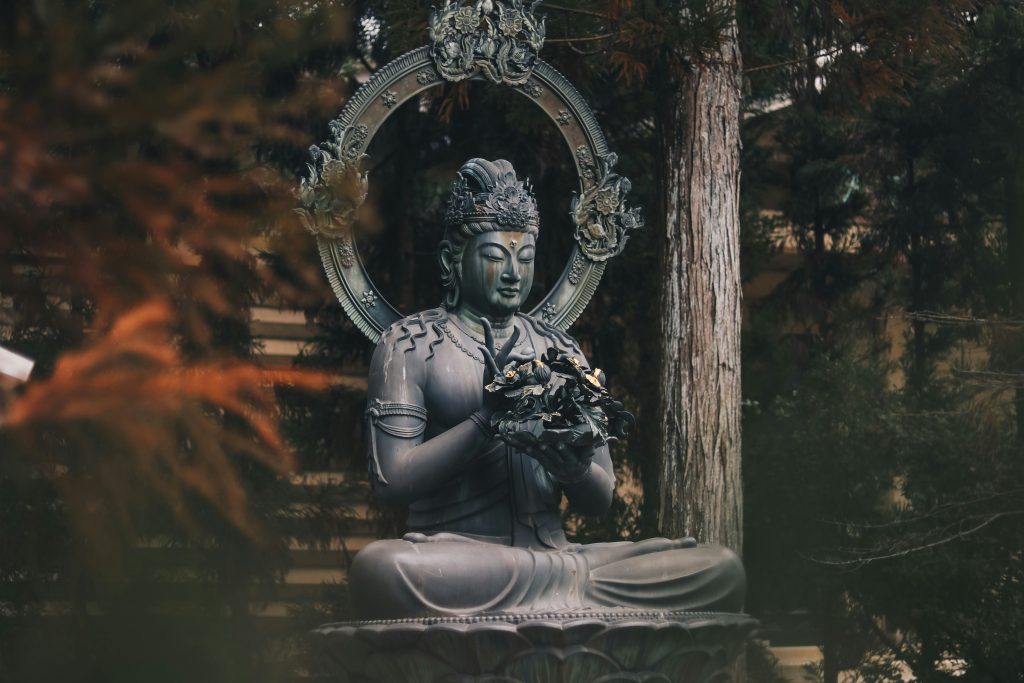
The Middle Path is not merely a rejection of extremes; it is an invitation to awareness. It suggests that fulfillment does not lie in indulgence nor in denial, but somewhere in between—a place of balance, clarity, and presence. This idea, though ancient, speaks powerfully to the modern condition. Today, we are constantly pulled toward excess—of information, consumption, and comparison—while simultaneously being told to optimize, minimize, and detach. The result is a paradox: we are overwhelmed by both having too much and being told we need less.
At its core, philosophy begins with a simple but unsettling realization: we do not fully understand ourselves. We assume we know what we want, yet our desires shift. We think we know what will make us happy, yet satisfaction often fades quickly after attainment. The Buddha observed this phenomenon deeply, identifying desire as both a driver of life and a source of suffering. This does not mean that desire is inherently bad; rather, it becomes problematic when we cling to it, when we believe that fulfillment lies just one achievement away.
Modern life amplifies this cycle. Social media, for instance, turns desire into a constant loop. We see curated versions of others’ lives and unconsciously measure our own against them. This comparison breeds dissatisfaction, not because our lives are lacking, but because our perception is distorted. Philosophy encourages us to step back and question these narratives. What does it mean to live well? Who defines success? Why do we believe that happiness is always somewhere else?
The Middle Path offers a response not through rigid doctrine but through practice. It asks us to observe—to notice our thoughts, emotions, and reactions without immediately identifying with them. This practice of awareness creates a subtle but profound shift. Instead of being swept away by every impulse, we begin to see them as passing phenomena. Anger arises, but it is not permanent. Desire appears, but it does not define us. In this space of observation, we find freedom.
This idea resonates with other philosophical traditions as well. Stoicism, for example, teaches us to distinguish between what we can control and what we cannot. Existentialism reminds us that meaning is not given but created through our choices. Yet what makes the Middle Path unique is its emphasis on inner balance—not as an abstract ideal, but as a lived experience. It is not about suppressing emotion or detaching from life, but about engaging with it more consciously.
Consider the way we approach success. Many of us are taught to pursue goals relentlessly, to sacrifice the present for a future payoff. While ambition can be a powerful force, it often comes at a cost. We postpone happiness, believing it will arrive once we reach a certain milestone. But when we finally get there, the satisfaction is fleeting, and a new goal takes its place. The Middle Path challenges this mindset by suggesting that the journey itself is not separate from the destination. How we live each moment matters as much as what we achieve.
This does not mean abandoning goals or ambition. Rather, it means approaching them with awareness and balance. We can strive without becoming consumed, work hard without losing ourselves, and pursue success without defining our worth by it. This subtle shift transforms our relationship with effort. Instead of being driven by fear or inadequacy, we act מתוך clarity and intention.
Another important aspect of the Middle Path is its approach to suffering. In modern culture, suffering is often seen as something to be avoided at all costs. We distract ourselves, numb ourselves, or try to eliminate discomfort entirely. Yet this avoidance can paradoxically increase our distress. The Buddha’s insight was that suffering is an inevitable part of life, but our resistance to it often amplifies it.
When we accept that pain, uncertainty, and loss are natural, we begin to relate to them differently. Instead of asking, “Why is this happening to me?” we might ask, “What is this experience teaching me?” This shift does not remove suffering, but it transforms it. It becomes something we can engage with, learn from, and ultimately move through.
Philosophy, then, is not about escaping life’s difficulties but about understanding them more deeply. It is about cultivating a perspective that allows us to navigate complexity with grace. The Middle Path embodies this perspective by encouraging moderation, awareness, and compassion—both for ourselves and for others.

Compassion, in particular, is a crucial element. When we are caught in cycles of desire and dissatisfaction, we often become harsh toward ourselves. We judge our failures, compare our progress, and feel inadequate. The Middle Path invites a gentler approach. It reminds us that we are all navigating uncertainty, all seeking meaning in our own ways. This recognition fosters empathy—not only toward others but toward our own struggles.
In a world that often rewards extremes, choosing balance can feel counterintuitive. It may even seem like a form of weakness. But in reality, it requires immense strength. It demands that we resist the pull of excess, question ingrained beliefs, and remain present in the face of distraction. It is not a passive state but an active practice—one that evolves over time.
Ultimately, the question is not whether we can eliminate uncertainty or achieve perfect balance. Such goals are themselves forms of attachment. Instead, the question is how we relate to the ever-changing nature of life. The Middle Path does not promise a life free of challenges, but it offers a way to meet them with clarity and resilience.
As we navigate our own lives, perhaps the most valuable lesson is this: meaning is not something we find once and for all. It is something we cultivate, moment by moment, through the way we think, act, and perceive. By embracing balance, observing our inner world, and approaching life with compassion, we begin to experience a quieter, more enduring sense of fulfillment.